The Importance of Recycling Lithium Ion Batteries
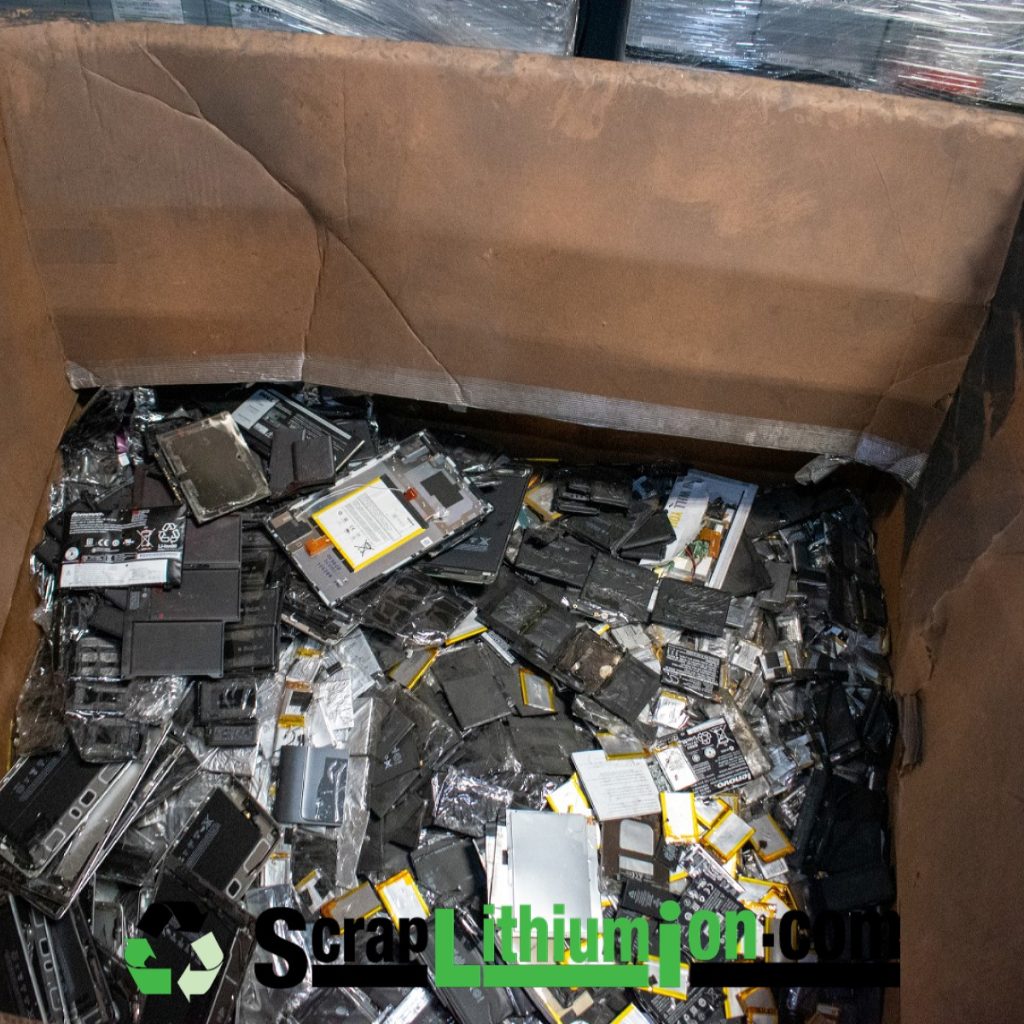
Lithium ion batteries are a type of rechargeable battery. They are the main power source of things like:
- Electric vehicles
- Solar power storage
- Emergency power backups (UPS)
- Power tools
A couple of the metals that make up lithium ion batteries include nickel, cobalt and copper. There are also different kinds of lithium ion batteries that contain…
- Lithium Cobalt Oxide (LiCoO2)
- Lithium Nickel Cobalt Aluminum Oxide (NCA)
- Also, Lithium Nickel Manganese Oxide (NMC)
Inevitably, lithium ion batteries wear down and consumers must replace them. This is mostly because of aging, overuse and overcharging. When the time has come to dispose of these batteries, it is important for one to understand why the recycling of lithium ion batteries is so significant.
Why Recycle Lithium Ion Batteries?
The recycling of lithium ion batteries provides numerous positive effects on the environment. Lithium ion battery recycling:
- Reuses valuable materials
- Decreases space occupied in landfills
- Protects natural resources
- Reduces pollution
A portion of the reusable materials contained inside lithium ion batteries include cobalt, nickel and copper. Reusing these materials prompts less space occupied in landfills which protects natural resources. Along these lines, the prompts less overall pollution.
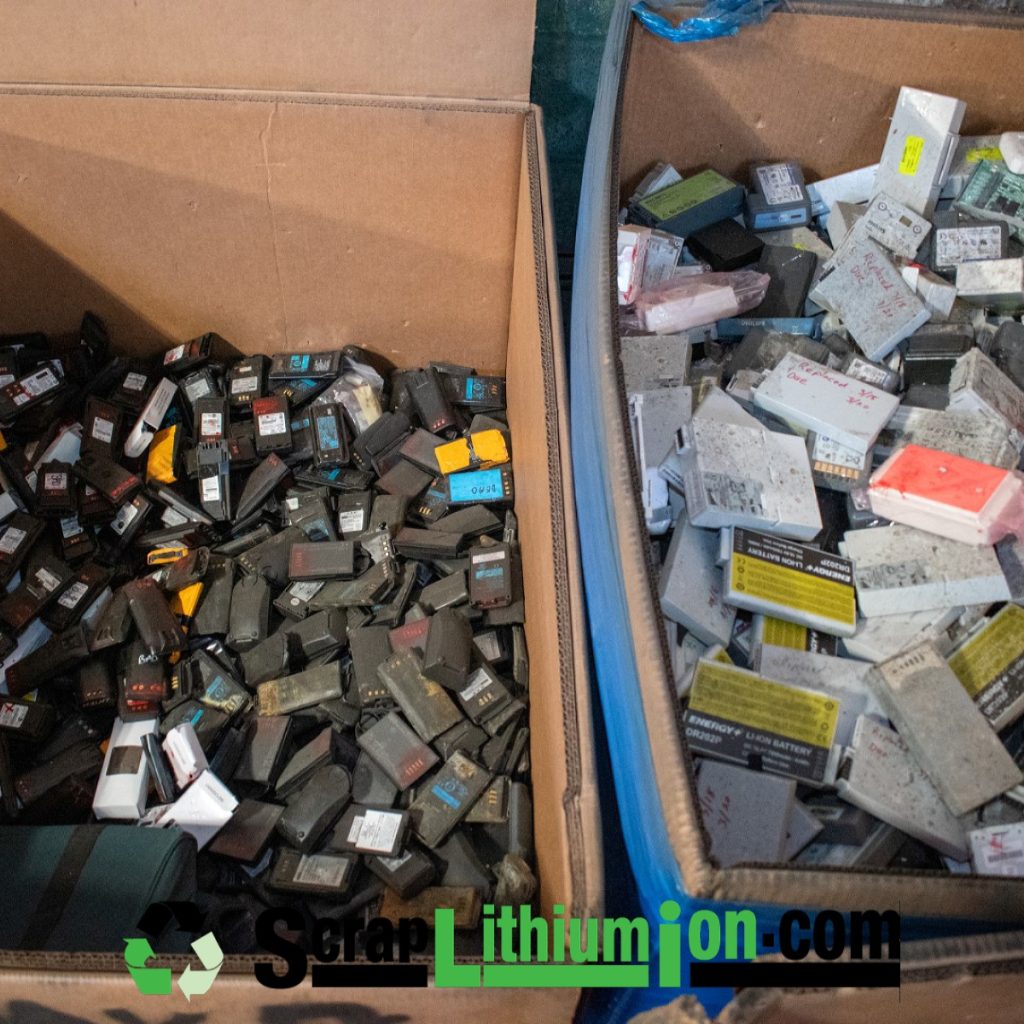
People, organizations and governments are pushing toward a greener world. The recycling of lithium ion batteries is a significant step toward making this objective a reality.
Since the significance of lithium ion battery recycling has been analyzed, one must understand how to recycle lithium ion batteries.
The Lithium Ion Battery Recycling Process
Recycling lithium ion batteries consists of:
- First, recycling services buying or selling scrap. Thus, they acquire cobalt, nickel and copper.
- Then, recyclers deactivate the batteries. This is a required step to achieve before the recycling procedure starts.
- Subsequently, the batteries are put in a special room. Therefore, this room is oxygen-free.
- Next, the process of extracting metals from their ores happens (this is called hydrometallurgy).
- Furthermore, the process of utilizing aqueous solutions to extract metal from other metal bearing material happens (this is called leaching).
- Afterwards, the battery components separate into three unique categories. The categories include cobalt, steel and aluminum, copper and plastic.
- Finally, recycling companies sell the recycled materials.
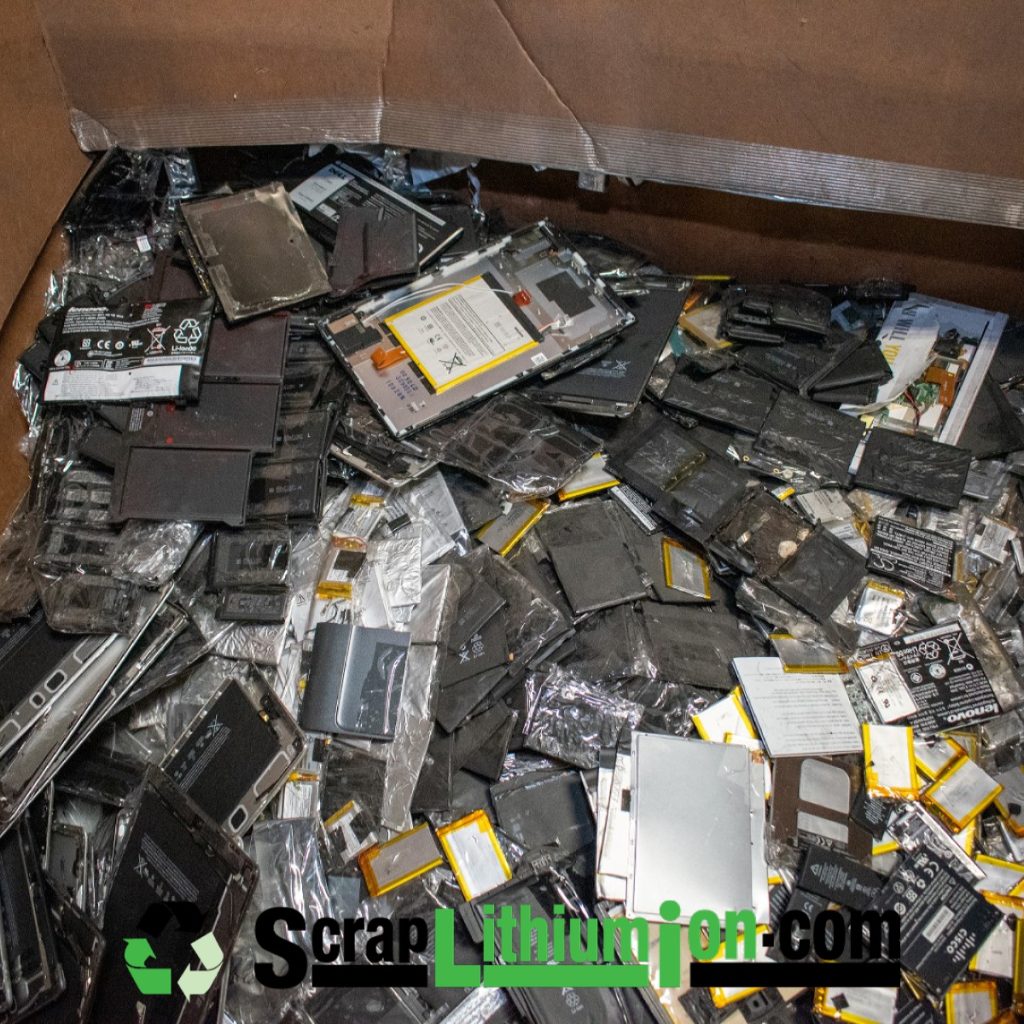
When professional recyclers recycle lithium ion batteries, this reuses valuable materials, decreases space in landfills, protects natural resources and diminishes pollution. There is even a chance to earn some money by selling scrap batteries to companies like us for lithium ion battery recycling.
The Importance of Recycling Lithium Ion Batteries
Lithium ion batteries are a power source for electric vehicles, solar power storage, power tools and more. They also contain various reusable materials. As stated, the recycling reuses valuable materials, diminishes space in landfills, protects natural resources and more. Additionally, we buy and sells lithium ion batteries to anybody intrigued by the product or service.
To become more familiar with how to recycle lithium ion batteries, click here to request more information.